
Help us help you. By posting the year, make, model and engine near the beginning of your help request, followed by the symptoms (no start, high idle, misfire etc.) Along with any prevalent Diagnostic Trouble Codes, aka DTCs, other forum members will be able to help you get to a solution more quickly and easily!
Hemi, Oops!
- Noah
-
 Topic Author
- Offline
- Moderator
-

Less
More
- Posts: 5096
- Thank you received: 1135
2 months 3 weeks ago - 2 months 3 weeks ago #93043
by Noah
Hemi, Oops! was created by Noah
I wanted to share a bit of a personal failure with you all here.
I work for a shop that deals almost exclusively with other repair shops. We specialize in dealer level programming, ADAS set up, electrical and driveability diagnostics which often times ends up with us doing repairs other shops aren't comfortable handling in house.
This particular case involves a 2013 Jeep Grand Cherokee with a 5.7l Hemi engine and a P0303: misfire cylinder 3.
The customer shop did plugs, coils and injectors and the misfire persists.
I'm sure we've all been down this path with this engine platform and can make an educated guess as to where this going. Surprisingly, relative compression and in cylinder testing didn't reveal much, but with the odd numbered bank valve cover removed, it's obvious the #3 intake valve is not actuating.
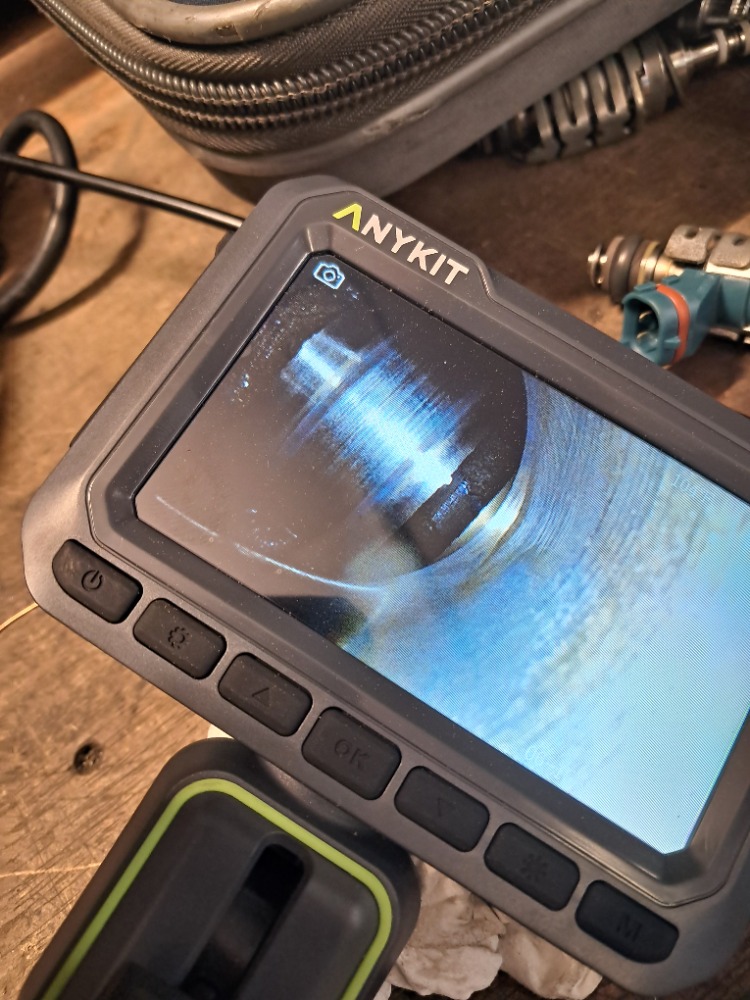
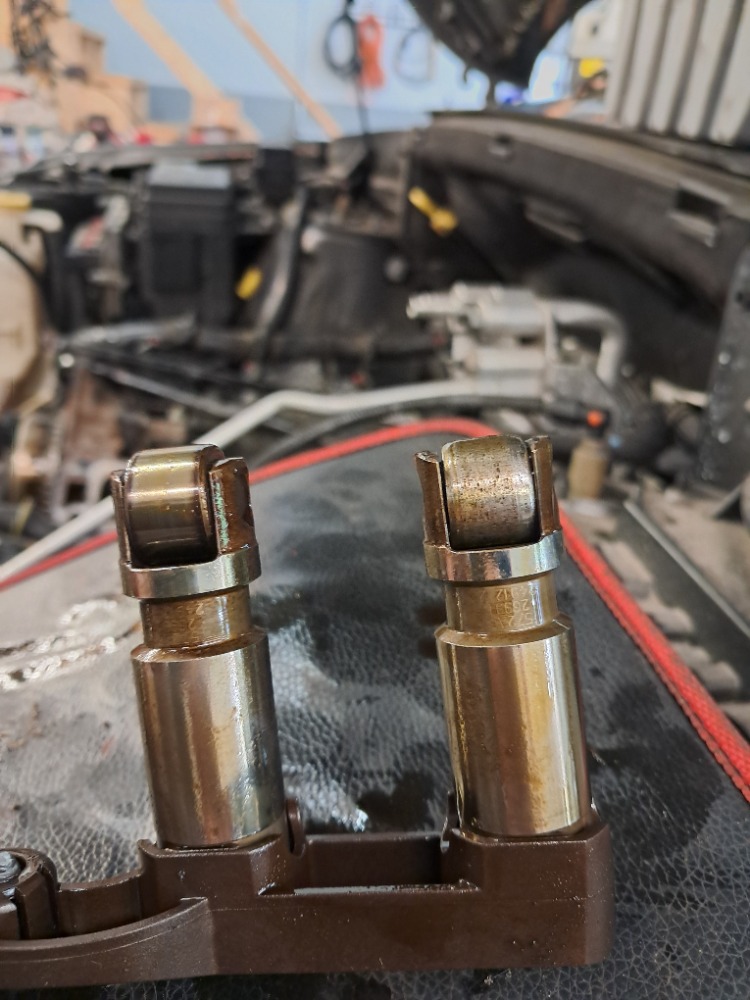
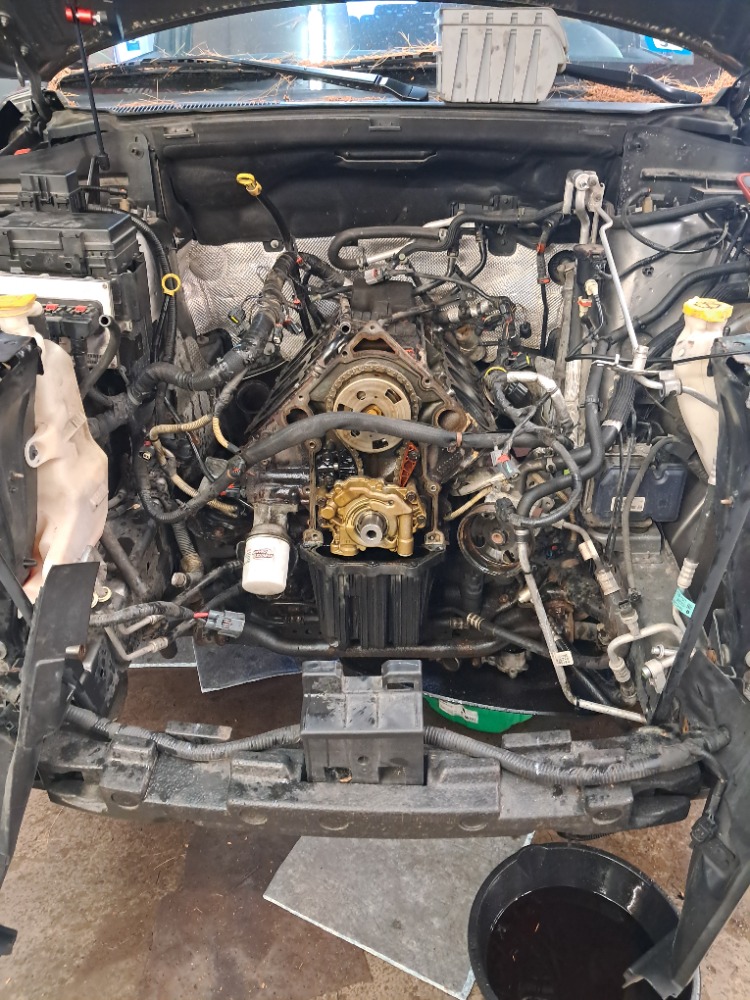
The customer elected to go ahead with engine repairs and we ordered from the dealer OEM lifters, head gaskets, head bolts and a camshaft.
Like most of you I'm sure, I am no stranger to this job. However, when I started the engine it ran VERY poorly! Clanging, misfiring , loading up the cat. It was bad...
I noticed the intake runner for cylinder #5 was too hot to touch.
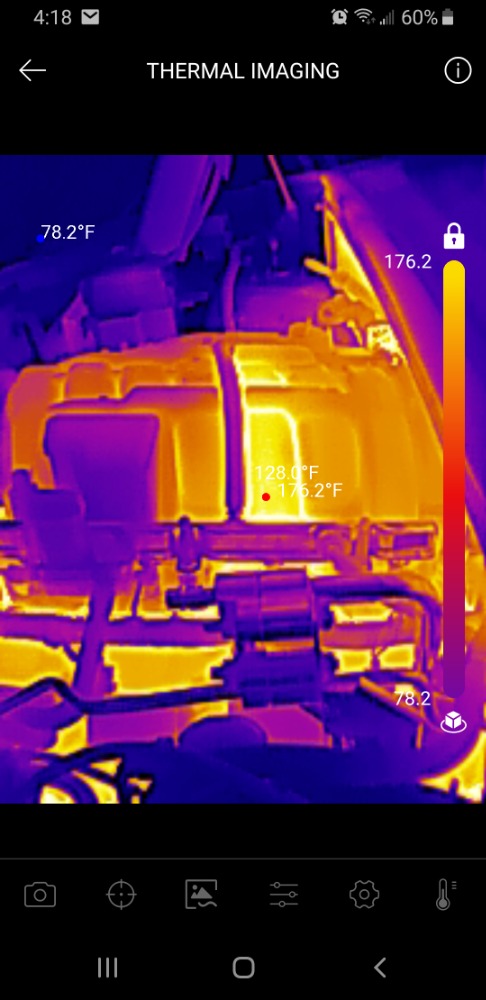
A quick relative compression and cam crank correlation showed the timing was correct, but using the sync notch in the crank pattern to index the relative compression pattern, it was obvious there was no compression in cylinder number 5.
Defeated, I went home to wallow in despair...
My worst fear was that I had some how reversed the pushrods on cylinder 5. The exhaust pushrod is significantly longer than the intake pushrod. This would be a fatal mistake as it would leave the intake valve open long enough to contact the piston. That would neatly explain the lack of compression and hot intake runner with combustion and exhaust gasses pushing back into the intake.
But I assembled the rocker trains one at a time. To make this mistake, I would have drawn unequal length pushrods twice while assembling the driver's side head, and I can still see the last four short pushrods in the box in my minds eye!
Oh well, as they say: if you have to sh¡t, don't nibble. I was fully prepared to spend my Father's Day weekend pulling the head and changing the intake valve on my own time...
First thing this morning I pulled a spark plug on #5 and put my boroscope in the cylinder. As luck would have it, the piston was at the bottom of the power stroke. No marks on the piston. Flipped the camera up to inspect the valves, fully seated.
Then I began to inspect the rocker arms and found where I had gone wrong. The intake pushrod was not seated in the rocker arm cup, so the edge of the rocker was actuating the pushrod, adding to the stroke and duration of the intake valve, creating overlap which allowed exhaust and combustion gasses to enter the intake manifold.
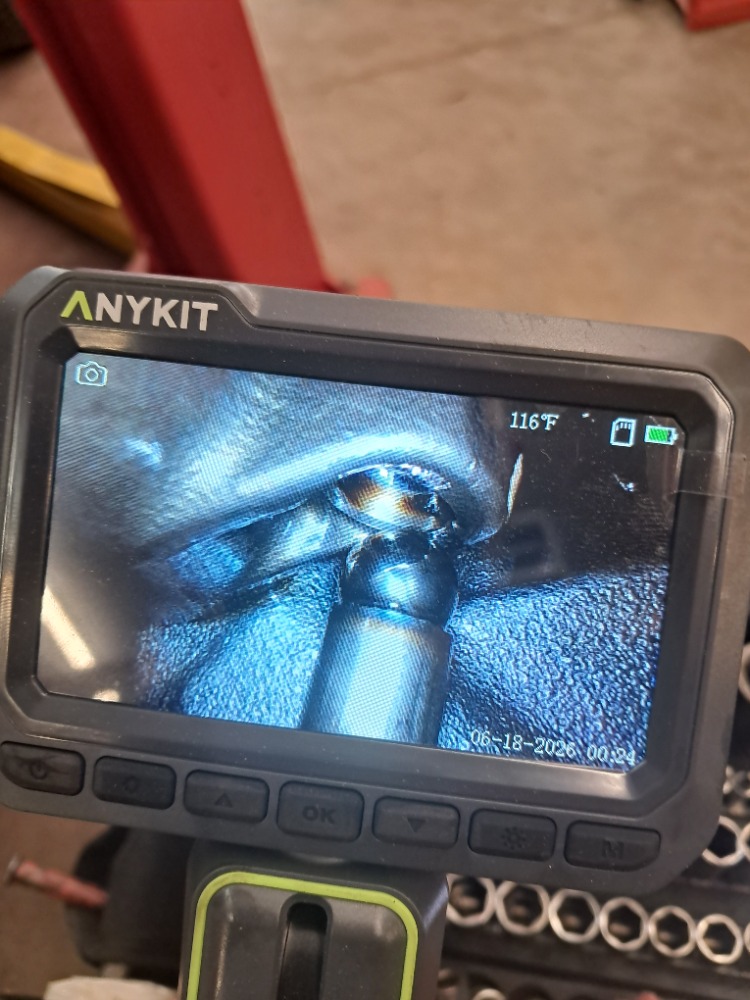
This not only caused a single cylinder misfire, but the speed density system saw the decreased vacuum as load and over fueled the engine.
Thankfully I was able to loosen the rocker train, reseat the push rod and re torque the rocker train. The engine then ran perfectly, much to my relief!
I just wanted to share because I think it's important to not only celebrate our success, but to also own our mistakes and move on.
I work for a shop that deals almost exclusively with other repair shops. We specialize in dealer level programming, ADAS set up, electrical and driveability diagnostics which often times ends up with us doing repairs other shops aren't comfortable handling in house.
This particular case involves a 2013 Jeep Grand Cherokee with a 5.7l Hemi engine and a P0303: misfire cylinder 3.
The customer shop did plugs, coils and injectors and the misfire persists.
I'm sure we've all been down this path with this engine platform and can make an educated guess as to where this going. Surprisingly, relative compression and in cylinder testing didn't reveal much, but with the odd numbered bank valve cover removed, it's obvious the #3 intake valve is not actuating.
The customer elected to go ahead with engine repairs and we ordered from the dealer OEM lifters, head gaskets, head bolts and a camshaft.
Like most of you I'm sure, I am no stranger to this job. However, when I started the engine it ran VERY poorly! Clanging, misfiring , loading up the cat. It was bad...
I noticed the intake runner for cylinder #5 was too hot to touch.
A quick relative compression and cam crank correlation showed the timing was correct, but using the sync notch in the crank pattern to index the relative compression pattern, it was obvious there was no compression in cylinder number 5.
Defeated, I went home to wallow in despair...
My worst fear was that I had some how reversed the pushrods on cylinder 5. The exhaust pushrod is significantly longer than the intake pushrod. This would be a fatal mistake as it would leave the intake valve open long enough to contact the piston. That would neatly explain the lack of compression and hot intake runner with combustion and exhaust gasses pushing back into the intake.
But I assembled the rocker trains one at a time. To make this mistake, I would have drawn unequal length pushrods twice while assembling the driver's side head, and I can still see the last four short pushrods in the box in my minds eye!
Oh well, as they say: if you have to sh¡t, don't nibble. I was fully prepared to spend my Father's Day weekend pulling the head and changing the intake valve on my own time...
First thing this morning I pulled a spark plug on #5 and put my boroscope in the cylinder. As luck would have it, the piston was at the bottom of the power stroke. No marks on the piston. Flipped the camera up to inspect the valves, fully seated.
Then I began to inspect the rocker arms and found where I had gone wrong. The intake pushrod was not seated in the rocker arm cup, so the edge of the rocker was actuating the pushrod, adding to the stroke and duration of the intake valve, creating overlap which allowed exhaust and combustion gasses to enter the intake manifold.
This not only caused a single cylinder misfire, but the speed density system saw the decreased vacuum as load and over fueled the engine.
Thankfully I was able to loosen the rocker train, reseat the push rod and re torque the rocker train. The engine then ran perfectly, much to my relief!
I just wanted to share because I think it's important to not only celebrate our success, but to also own our mistakes and move on.
Last edit: 2 months 3 weeks ago by Noah.
The following user(s) said Thank You: Tyler, Chad, Ecadenas
Please Log in or Create an account to join the conversation.
Time to create page: 0.214 seconds